How Authenticity Affects Project Eligibility
The Federal Historic Tax Credit program is one of the most significant financing tools available for the rehabilitation of commercial historic buildings. A 20 percent federal tax credit on qualified rehabilitation expenditures has leveraged billions of dollars in private investment in historic properties since the program's establishment, and many states layer additional credits on top of the federal amount, making the combined incentive substantial. For developers, building owners, and their architects, understanding how material choices affect certification is not an abstract preservation question; it is a financial one.
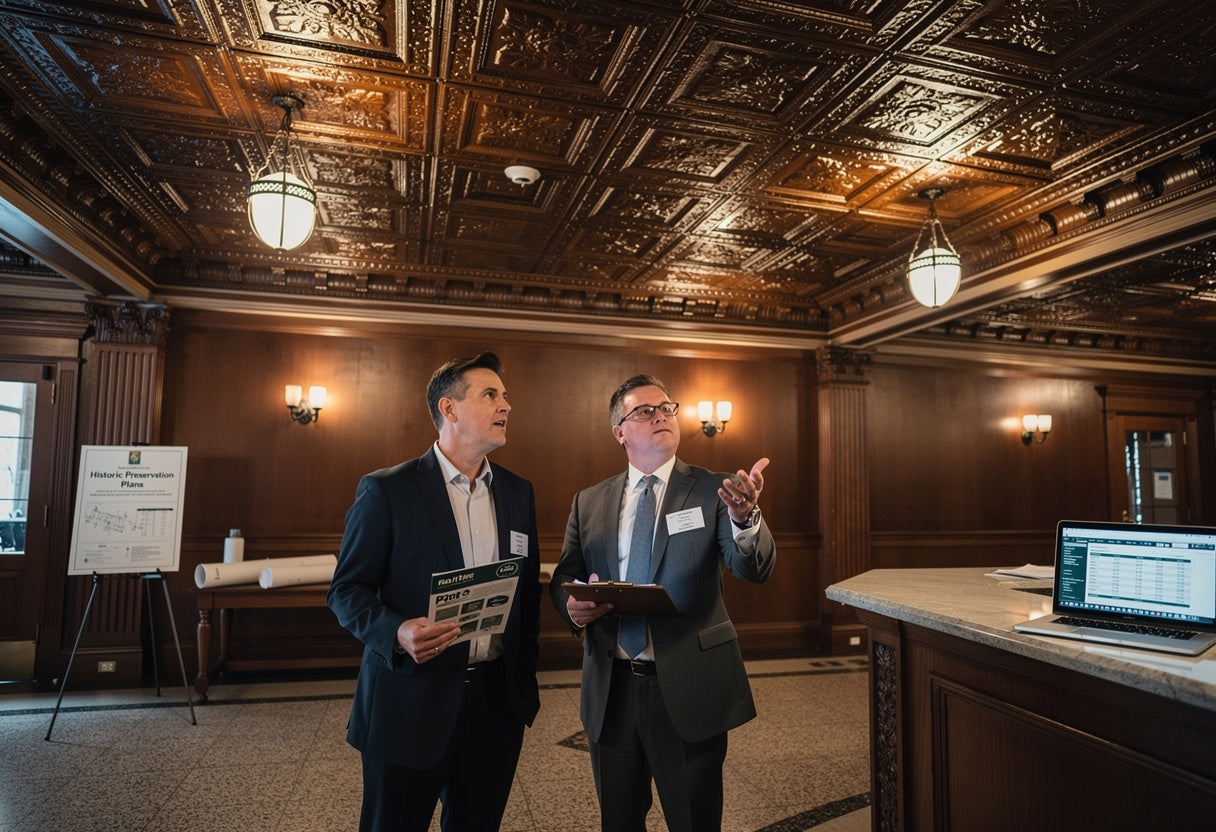
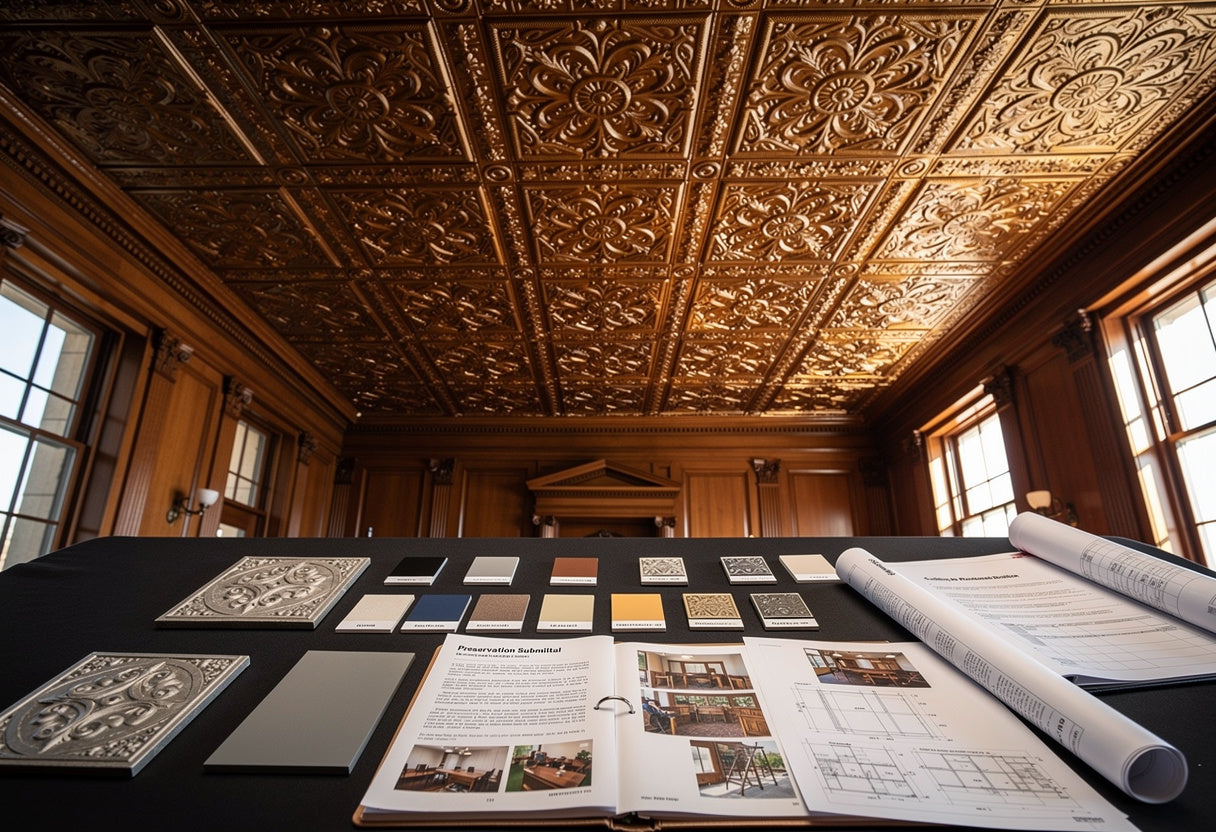
Shanko understands that pressed metal ceilings are frequently a factor in Historic Tax Credit certifications. They are often character-defining features of buildings that qualify for these credits, and the National Park Service's review process carefully scrutinizes replacement materials. Specifying the wrong ceiling material can jeopardize a certification; specifying the right one supports it.